



WHY THE SAME ART STYLE DOES NOT WORK FOR EVERY AGE
Here is a mistake we see constantly: an author falls in love with one illustration style and wants it applied to a book for an age group it was never designed for. A board book for a one-year-old needs almost the opposite visual approach to a picture book for a seven-year-old, and treating them the same undersells both. Toddlers respond to high-contrast, simple shapes with minimal background detail — their developing eyes and attention spans genuinely cannot process a busy, richly detailed scene the way an older child can, and research into early visual development backs this up consistently.
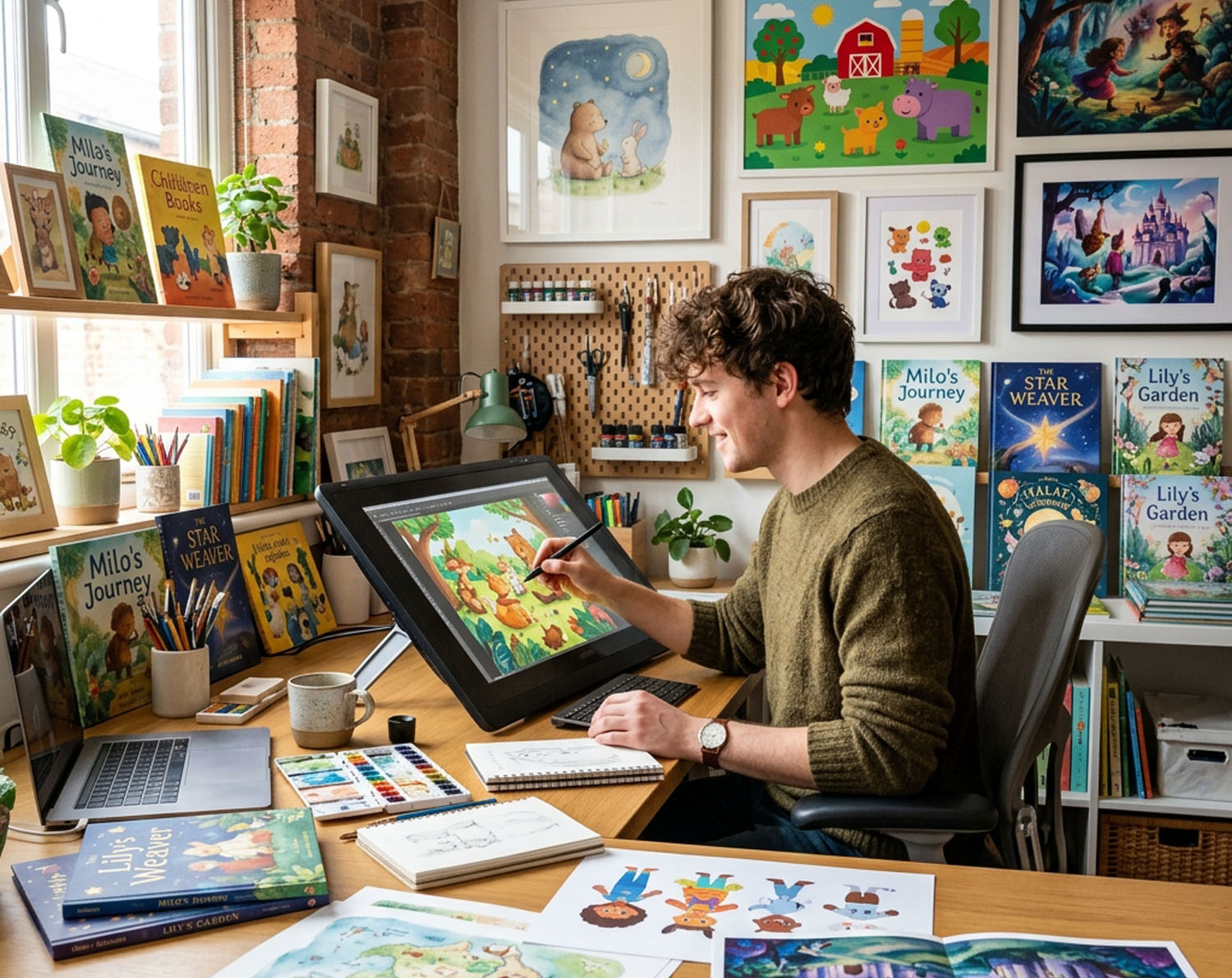
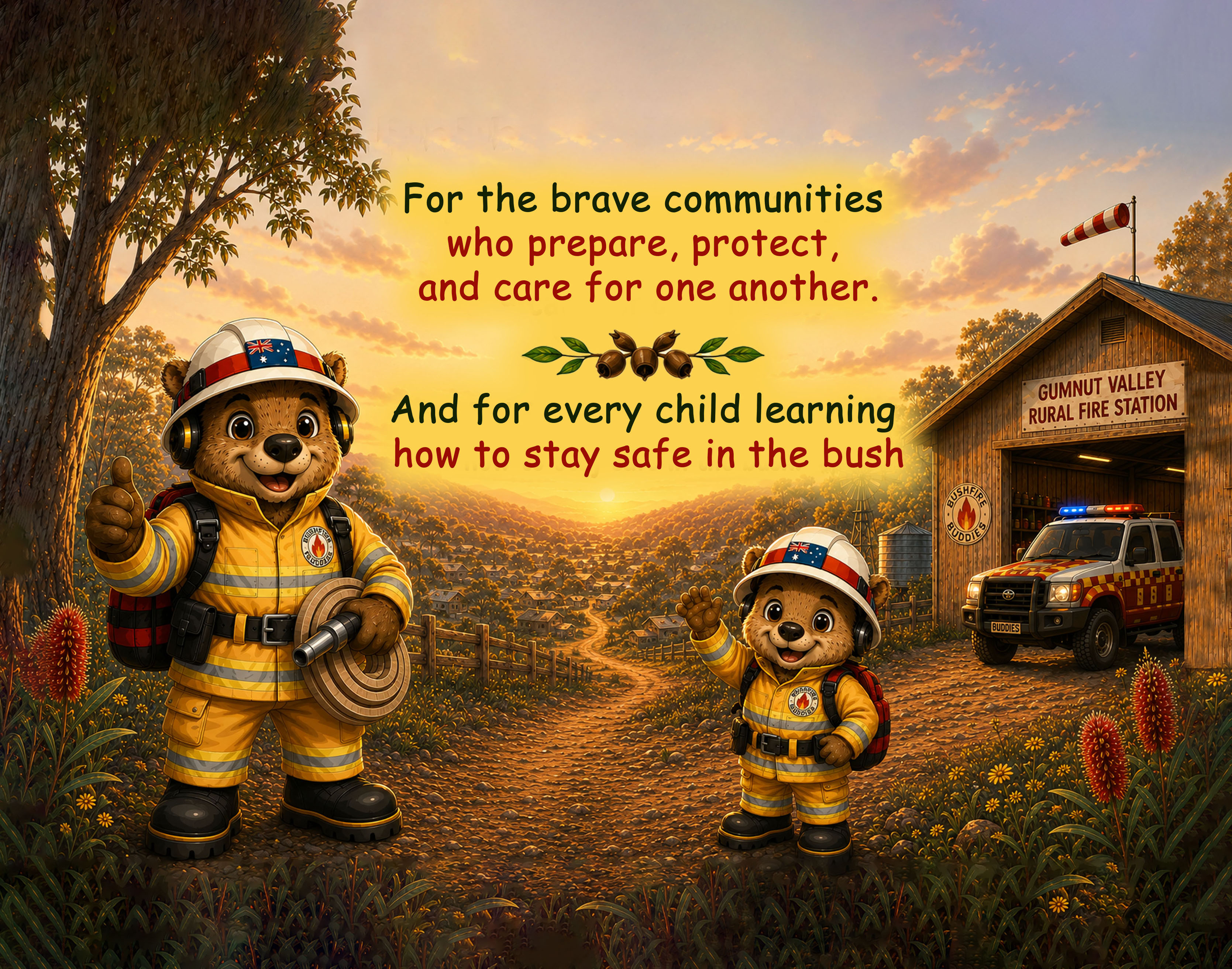
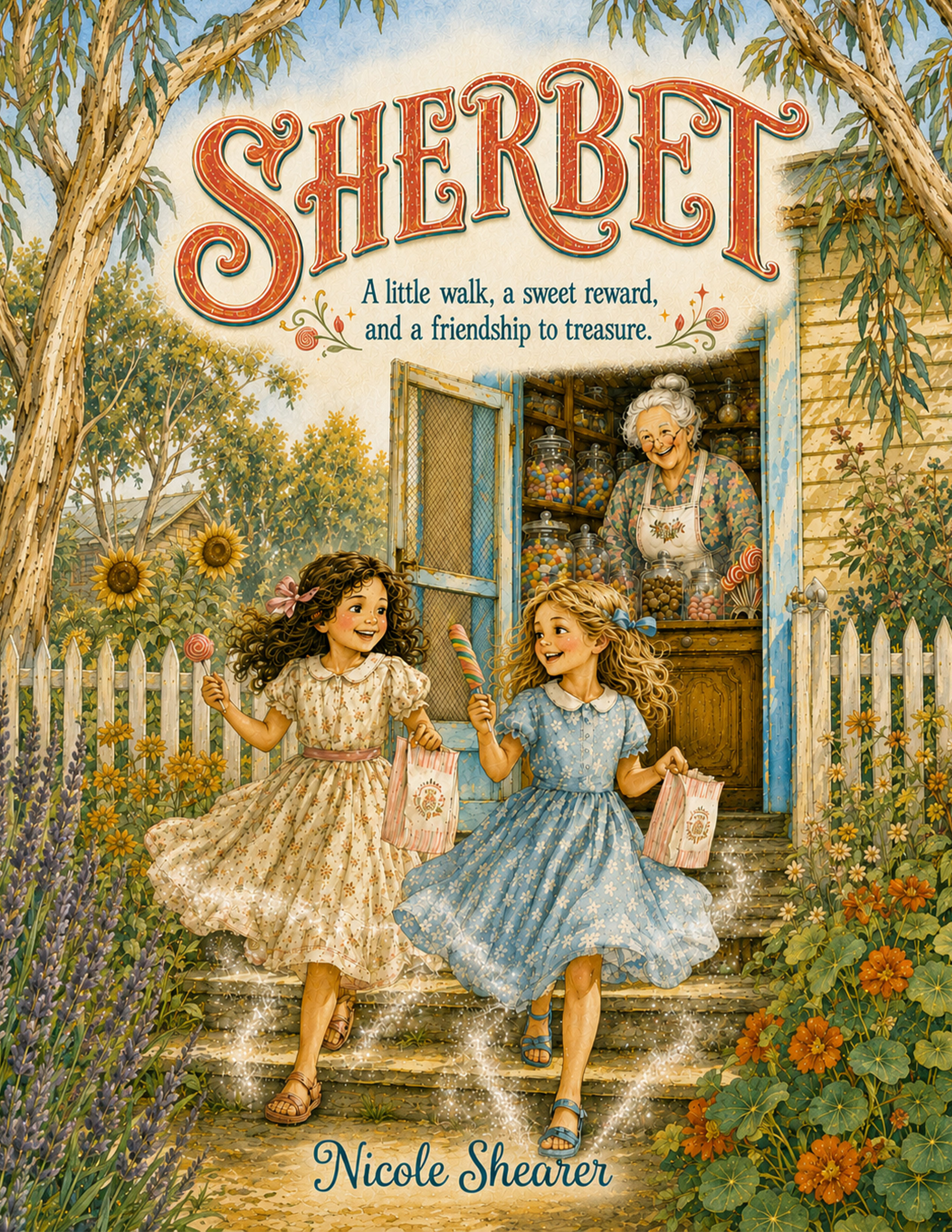
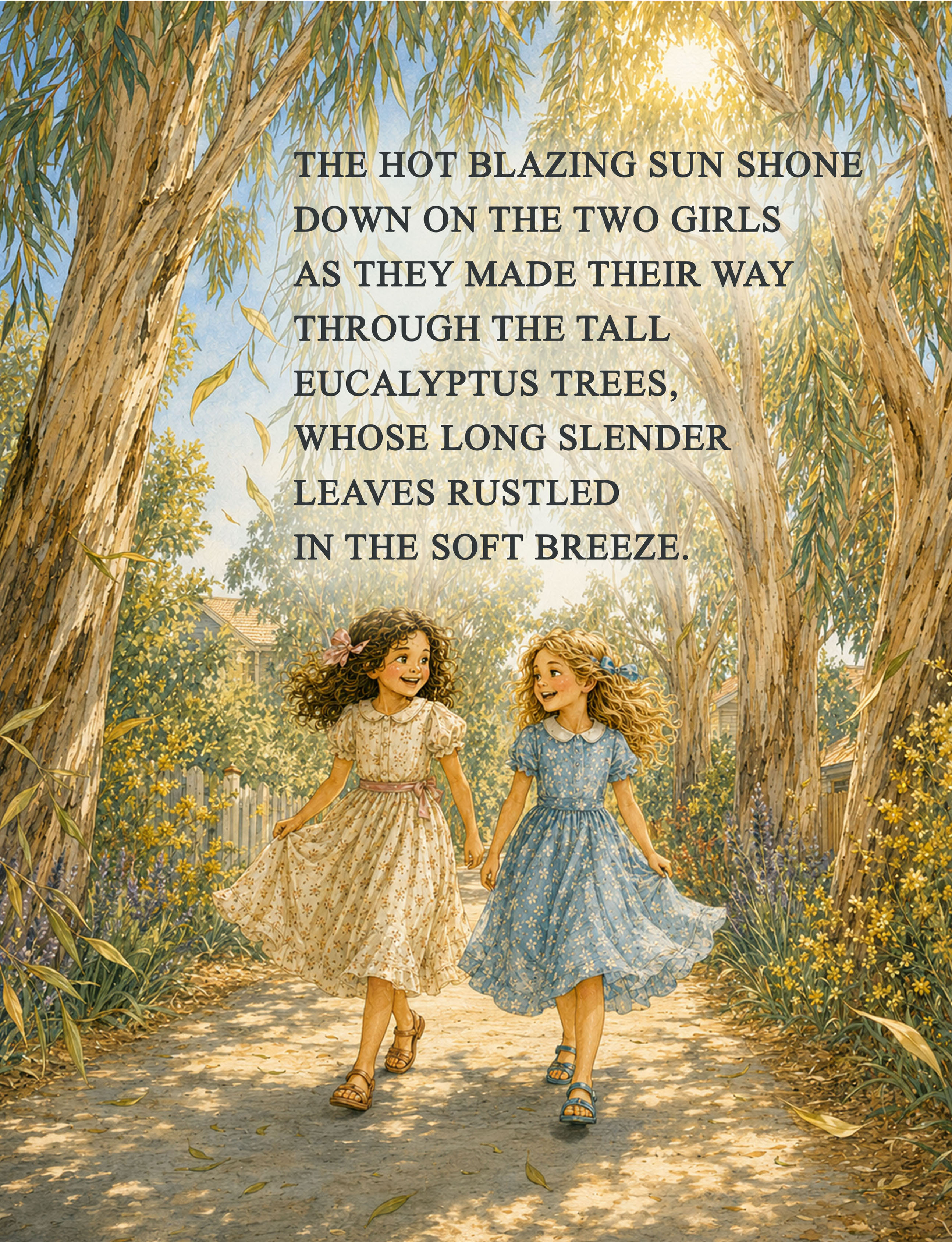
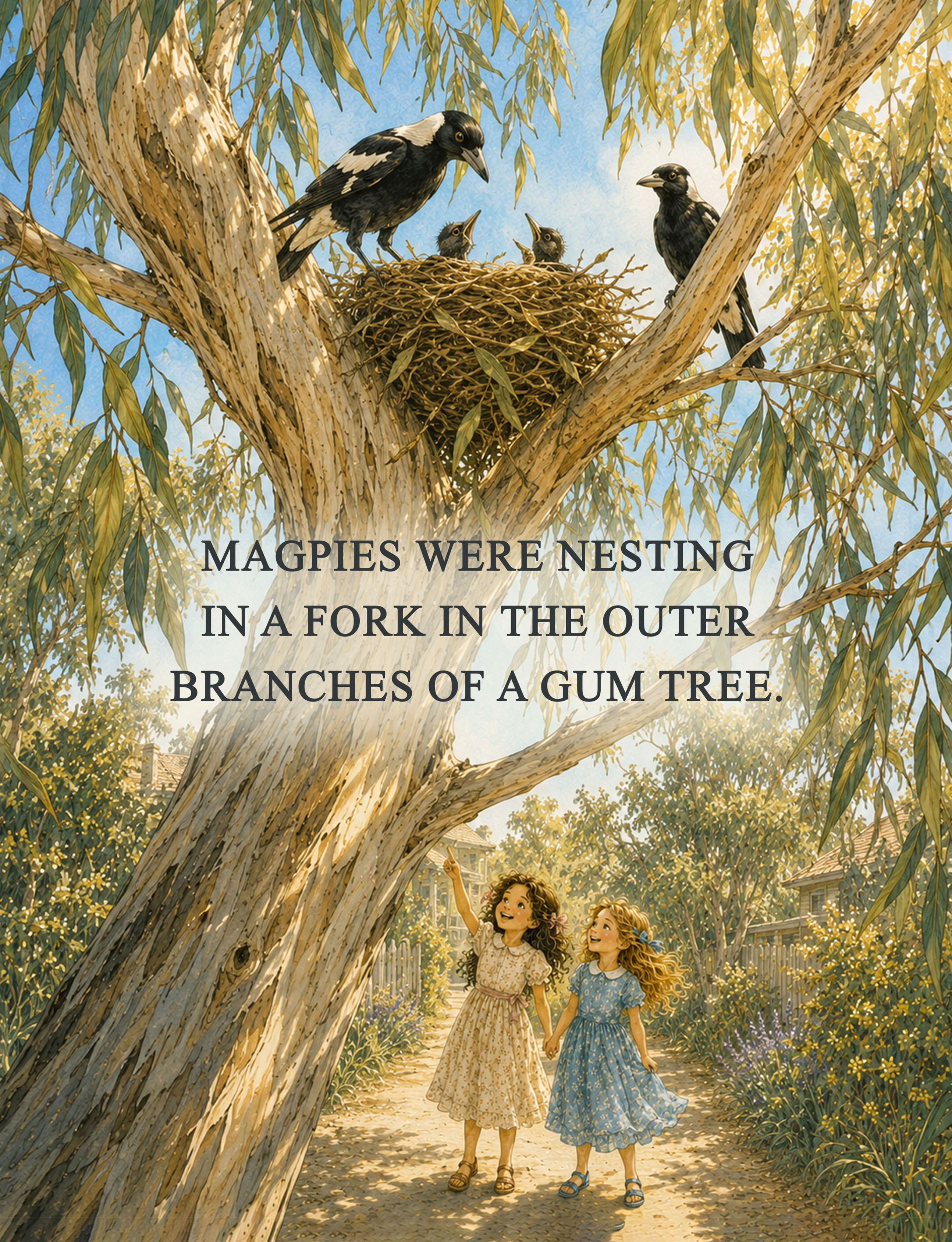
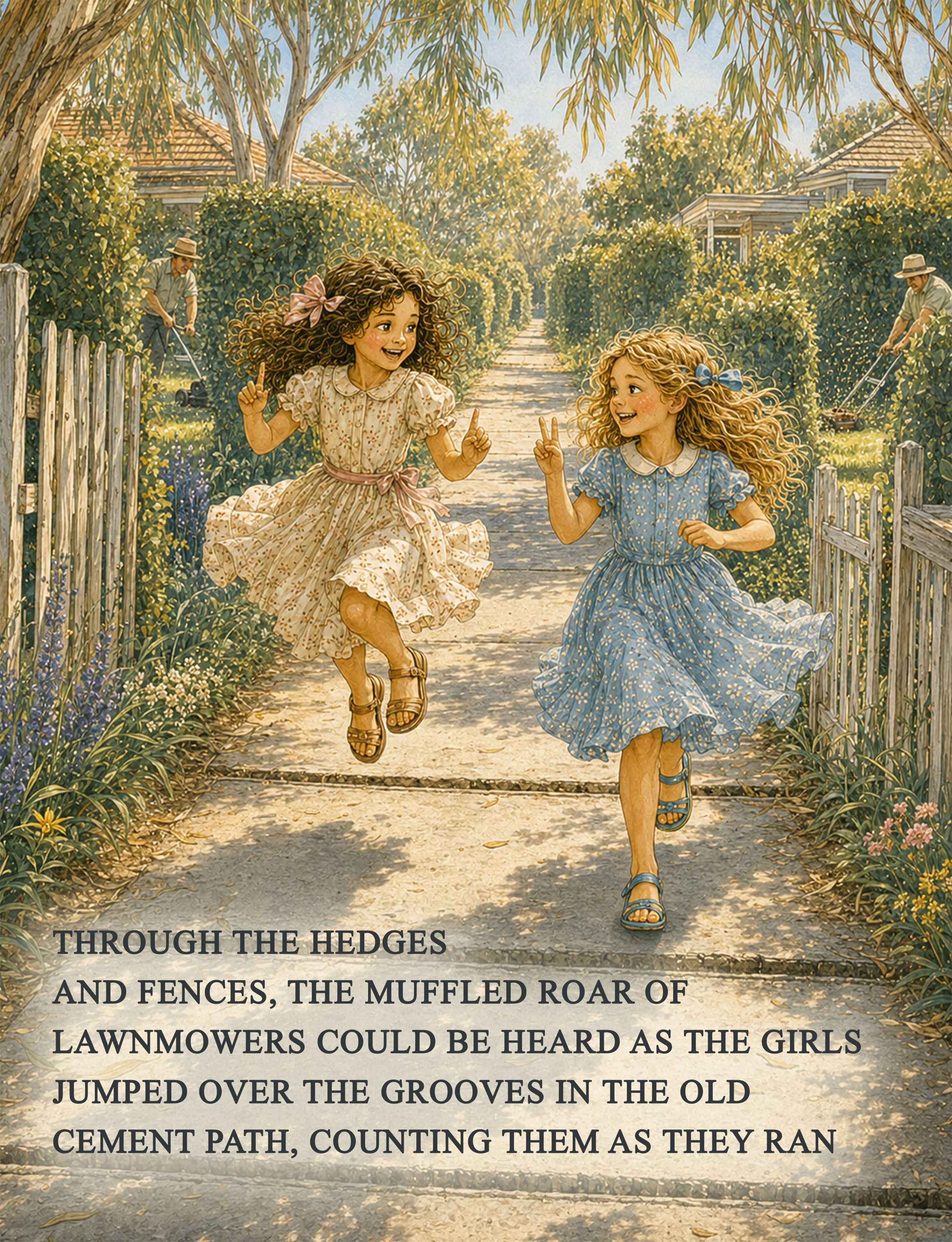
A picture book for four-to-eight-year-olds can carry more visual complexity — background detail, secondary characters doing something funny in the corner of the page, environments that reward a second and third look. This is exactly why repeat reads happen: a child notices something new in the artwork on the fifth reading that they missed the first time, which is part of what makes a book become a genuine favourite rather than a one-time read. Early readers and chapter books transitioning away from picture-heavy formats need illustration that supports rather than dominates the text — spot illustrations that reward attention without overwhelming a child who is starting to read words independently. Matching illustration complexity to genuine developmental stage, not just to what looks impressive in a portfolio, is where children's illustration actually succeeds or fails.